Review: Stationery Flat Lay Notepad Mockup 6 for Designers
As a designer who spends half my life staring at screens and the other half wrestling with thread tension, I approach new design assets with a mix of curiosity and skepticism. We all know the feeling: you download a file that looks stunning in the preview, only to find it turns into a bird's nest of thread once it hits the fabric. Today, I am taking a close look at Stationery Flat Lay Notepad Mockup 6. While this item is categorized under Notebooks Amp and listed as Graphics, my interest lies in how we, as embroidery professionals, can leverage such visual tools to elevate our handmade product presentations and plan our stitching strategies effectively.
The First Impression: Clean Lines and Professional Mood
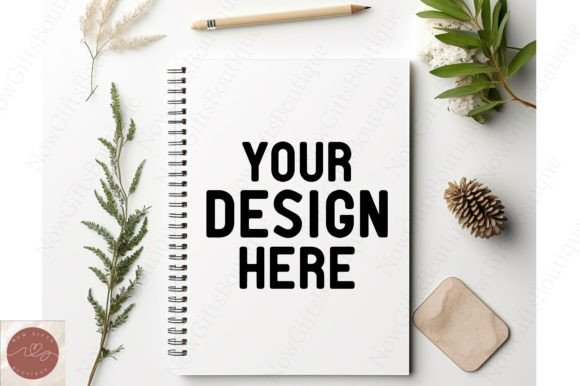
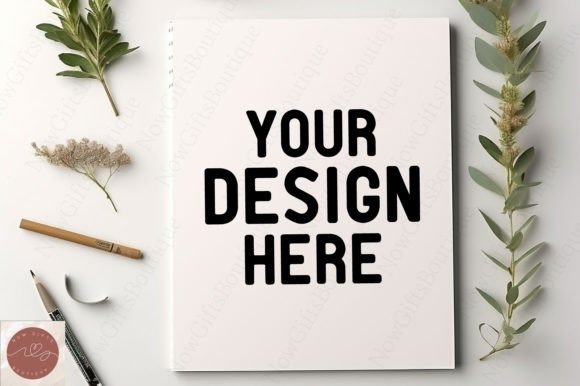
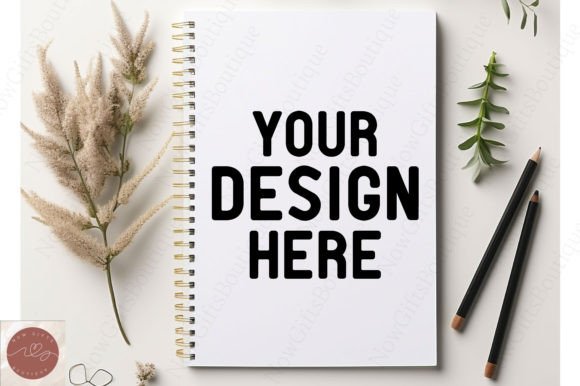
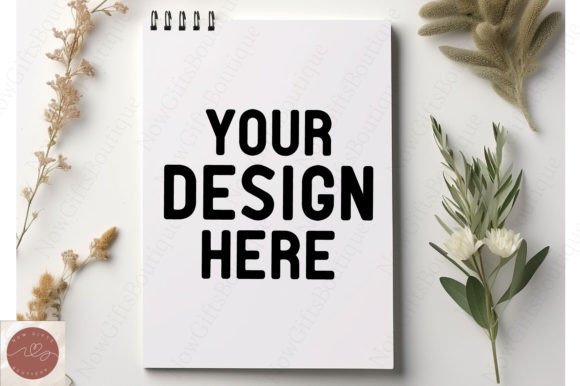
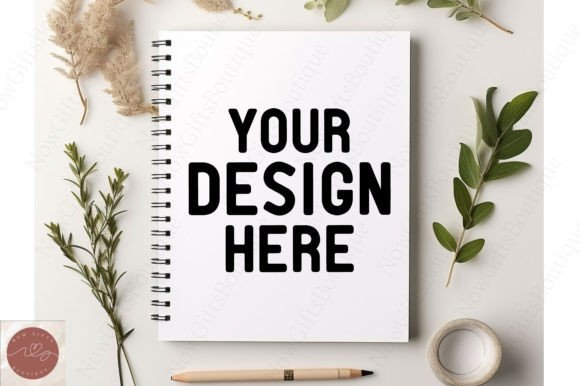
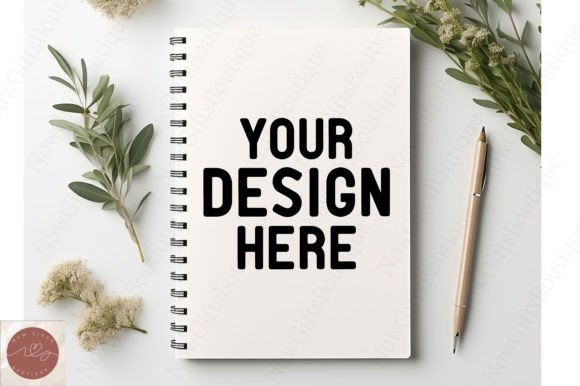
When I first opened the files for Stationery Flat Lay Notepad Mockup 6, the immediate takeaway was its versatility. The layout is clean, uncluttered, and exudes a modern, minimalist aesthetic. For an embroidery designer, this is gold. We often struggle to showcase our finished product in a way that doesn't look cluttered or amateurish. This mockup provides a neutral yet sophisticated stage. The mood it creates is one of organized creativity, perfect for showcasing intricate machine embroidery design work without competing backgrounds distracting the eye.
The visual personality of this asset suggests it belongs naturally in the world of boutique branding and high-end custom goods. It is not just a placeholder; it is a tool that helps visualize how a personalized gift or a line of custom apparel might look in a real-world setting. Whether you are planning a sweatshirt embroidery project or a delicate baby embroidery piece, seeing your digitized art placed within this flat lay context helps you gauge scale and proportion before you ever hoop your fabric.
Real-World Application: From Screen to Stitch
Let's talk about a real scenario. Imagine you are preparing a collection for an upcoming craft fair or updating your Etsy seller shop. You have just finished digitizing a beautiful floral motif intended for a series of linen tote bags. Before you commit to stitching ten units, you need to know if the design holds up. By placing your digital preview into Stationery Flat Lay Notepad Mockup 6, you can simulate the final look. This step is crucial for assessing whether the stitch density looks too heavy or if the thread colors pop enough against the chosen material.
This mockup shines when used to present commercial embroidery proposals to clients. If you are pitching a uniform update for a local cafe, featuring your embroidered patch designs within this professional flat lay can significantly boost client trust. It moves the conversation from "what does the file look like?" to "look how great this will look on your merchandise." It bridges the gap between a raw digital embroidery file and a tangible small shop product.
Furthermore, for those creating holiday embroidery gifts or wedding favors, presentation is everything. Using this graphic to create printable mockup sheets or social media teasers allows you to generate excitement before the item is even stitched. It helps customers visualize the tote bag design or the monogrammed napkin set as a cohesive part of their lifestyle, rather than just an isolated object.
Technical Considerations for Embroiderers
While Stationery Flat Lay Notepad Mockup 6 is a graphic tool, using it effectively requires an embroiderer's mindset. When adapting designs seen in such mockups for actual production, several technical factors come into play. If the mockup inspires a design with fine details, you must consider the limitations of your hoop size. Intricate corners and tiny lettering that look crisp on a screen can easily become muddy on textured fabrics if the fill stitch is too dense.
You must also be wary of fabric choices. A design that looks perfect on the smooth surface of this mockup might behave differently on stretchy knits used for sweatshirt embroidery or thick terrycloth for kitchen towels. Always test your applique design or standard motif on scrap fabric first. Pay attention to how the satin stitch edges hold up on curved surfaces like caps, or how a running stitch detail performs on thin, delicate fabrics intended for baby clothes.
Stabilizer selection is another critical element. Just because a design looks balanced in the mockup doesn't mean it won't pucker in reality. For items that require frequent washing, such as aprons or tea towels, ensure your stitch count and underlay are robust enough to withstand laundering without losing definition. If you are working on dark fabric, remember that the contrast seen in the bright lighting of a mockup might need adjustment in your actual thread palette to maintain visibility.
Elevating Brand Value and Customer Engagement
In the crowded marketplace of handmade goods, professionalism is your biggest asset. Utilizing high-quality graphics like Stationery Flat Lay Notepad Mockup 6 directly impacts your brand consistency. When your online listings feature cohesive, well-lit, and professionally styled images, you signal to the buyer that you care about quality. This perception increases the perceived value of your handmade product, allowing you to price your work more confidently.
Customer trust is built on clarity. When a buyer can clearly see how a personalized product will look thanks to a realistic mockup, hesitation decreases. This is particularly true for custom orders where the customer cannot physically touch the item before purchasing. By presenting your embroidery project in a relatable context, you help them envision the item in their own home or wardrobe, driving higher engagement and conversion rates.
Practical Designer Notes for Success
To get the most out of tools like this and ensure your physical products match the digital promise, keep these practical tips in mind:
- Test on Scrap First: Never run a new design on your final garment without a test stitch-out to check tension and registration.
- Check Contrast: Review your design in black and white to ensure the details stand out regardless of color choices.
- Verify Licensing: Before selling finished items or using the mockup for commercial ads, confirm the license terms associated with the graphic asset.
- Inspect Small Details: Zoom in on your digitized file to ensure tiny elements won't get lost in the fabric texture.
- Compare Backgrounds: Visualize your design on both light and dark backgrounds to ensure versatility in your product line.
- Confirm Specs: Since specific stitch counts and file formats are not always detailed in graphic descriptions, verify compatibility with your machine before purchase.
In conclusion, Stationery Flat Lay Notepad Mockup 6 is more than just a pretty picture; it is a strategic asset for the modern embroidery entrepreneur. It helps bridge the gap between digital planning and physical creation, ensuring that your craft business presents its best face to the world. By combining this visual tool with sound stitching practices, you can create finished products that delight customers and stand the test of time.