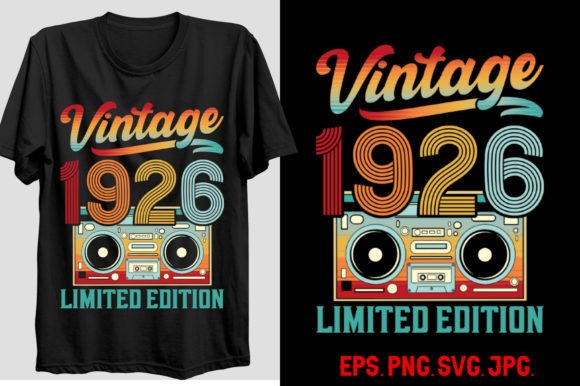
Vintage 1926 Graphics for Crafts and Branding
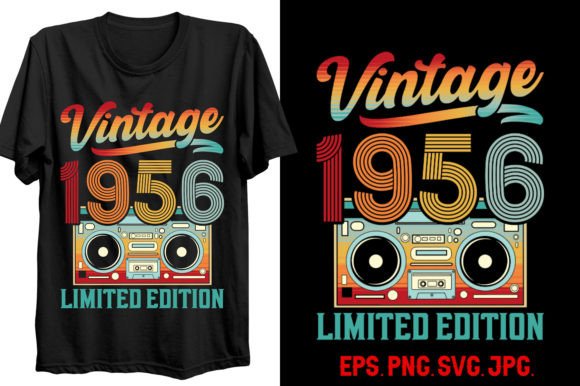
In the fast-paced world of content marketing, where attention spans are fleeting and visual noise is constant, finding a graphic design asset that cuts through the clutter without sacrificing elegance is a rare victory. As a brand designer who has spent years refining visual identities for small business owners and creative entrepreneurs, I recently had the opportunity to integrate the Vintage 1926 Limited Edition into a real-world campaign for a boutique lifestyle brand. This review explores how this specific piece performs when moved from a digital download folder into high-stakes marketing environments.
First Impressions: The Mood of a Bygone Era
Upon opening the file, the immediate sensation is one of curated nostalgia. The Vintage 1926 Limited Edition does not merely look old; it feels established. For a brand launching a seasonal offer or refreshing its social media visuals, this mood is invaluable. It creates an emotional tone of heritage, reliability, and timeless quality. Unlike generic clipart that can feel cheap or disposable, this illustration carries the weight of history, making it perfect for brands selling handmade products, artisanal goods, or premium lifestyle content.
The design suggests a narrative before a single word of copy is read. It tells the audience that the brand values tradition and craftsmanship. This is crucial for building audience trust. In a market saturated with overly polished, sterile modern design, introducing an element with character and depth can humanize a brand instantly. Whether used for casual branding on Instagram or premium visuals for a website header, the asset strikes a balance that feels both approachable and sophisticated.
Integrating the Asset into Real Marketing Workflows
To test the versatility of this creative design, I simulated a product launch for a specialty coffee roaster looking to emphasize their historic blending methods. The Vintage 1926 Limited Edition became the centerpiece of the campaign. Because the download includes an AI file, I was able to adjust the color palette to match the brand's existing earth tones seamlessly. This flexibility is essential for maintaining visual consistency across different touchpoints.
The SVG file proved equally powerful for physical applications. We utilized it for packaging design, specifically on product labels and sticker seals for the coffee bags. The vector nature of the file ensured crisp lines regardless of the print size, a common pitfall with lower-quality digital products. Beyond packaging, the graphic served as a strong anchor for social media graphics. On Pinterest, where aesthetic appeal drives clicks, the vintage style stood out against the typical bright, neon-heavy pins, attracting a demographic interested in slow living and quality.
For digital ads and Facebook campaigns, the illustration provided a clear visual hierarchy. When placed alongside bold sans-serif typography, the intricate details of the 1926 style created a pleasing contrast that guided the eye naturally to the call-to-action button. It transformed standard promotional banners into editorial-style layouts that felt less like an advertisement and more like a magazine feature.
Strategic Applications for Brand Growth
The true value of the Vintage 1926 Limited Edition lies in its ability to support diverse marketing goals. For content creators and online coaches, using such a distinct graphic can lead to stronger recognition. When audiences see a consistent visual language repeated across email banners, blog graphics, and media kits, it reinforces brand memory.
- Brand Identity: It serves as a foundational element for logos or sub-marks that need to convey longevity.
- Packaging Design: Ideal for adding a touch of class to boxes, bags, and inserts.
- Social Media Graphics: Elevates Instagram posts and stories from simple updates to curated content.
- Editorial Design: Perfect for lead magnets, e-books, and whitepapers that require a professional, authoritative look.
- Merchandise: Works beautifully on t-shirts, tote bags, and mugs for brand ambassadors.
This design bundle component acts as a force multiplier for small business branding. Instead of commissioning a custom illustrator, which can be cost-prohibitive for startups, leveraging a high-quality limited edition asset allows for professional branding at a fraction of the cost. It improves product presentation by adding a layer of perceived value, making the final output feel like a commercial design produced by a top-tier agency.
Where to Use It and Where to Exercise Caution
While the Vintage 1926 Limited Edition is versatile, it is not a one-size-fits-all solution. It shines brightest in hero graphics, campaign headers, and decorative brand elements where it has room to breathe. It is exceptional for content bundles and promotional banners that aim to evoke emotion.
However, caution is required when deploying this asset in formal corporate branding contexts that demand ultra-minimalism. If your brand identity relies on stark, flat design, this illustrative style might clash. Furthermore, avoid using it in dense information layouts or text-heavy ads. The intricate details of the 1926 era can compete with the main message if the surrounding whitespace is insufficient. On small mobile graphics, ensure the lines do not become muddy; always preview the SVG design or PNG export on actual devices to confirm readability.
Designer Notes for Maximum Impact
To get the most out of this graphic design asset, I recommend a few practical steps before finalizing your campaign. First, test the graphic against your specific brand color palette. While the AI file allows for color changes, some hues may alter the vintage feel. Second, check its performance in black and white to ensure it holds up for monochrome printing or faxed documents.
Typography pairing is critical. This illustration pairs exceptionally well with serif fonts that echo the 1920s era, but it also creates a dynamic tension when matched with modern sans-serif or clean handwritten fonts. Avoid overly decorative display fonts that might make the overall composition feel messy. Finally, always review the licensing terms. Ensure you have the appropriate commercial license if you are using this for client work, paid campaigns, or mass-produced merchandise. Understanding the rights associated with your digital download protects your business and ensures peace of mind.
In conclusion, the Vintage 1926 Limited Edition is more than just a file in a ZIP folder; it is a strategic tool for storytelling. For marketers and designers looking to infuse their projects with character, history, and professional polish, this asset offers a compelling way to enhance content marketing efforts and create memorable campaign visuals that resonate deeply with audiences.